Our work
Finished work, not stock photos.
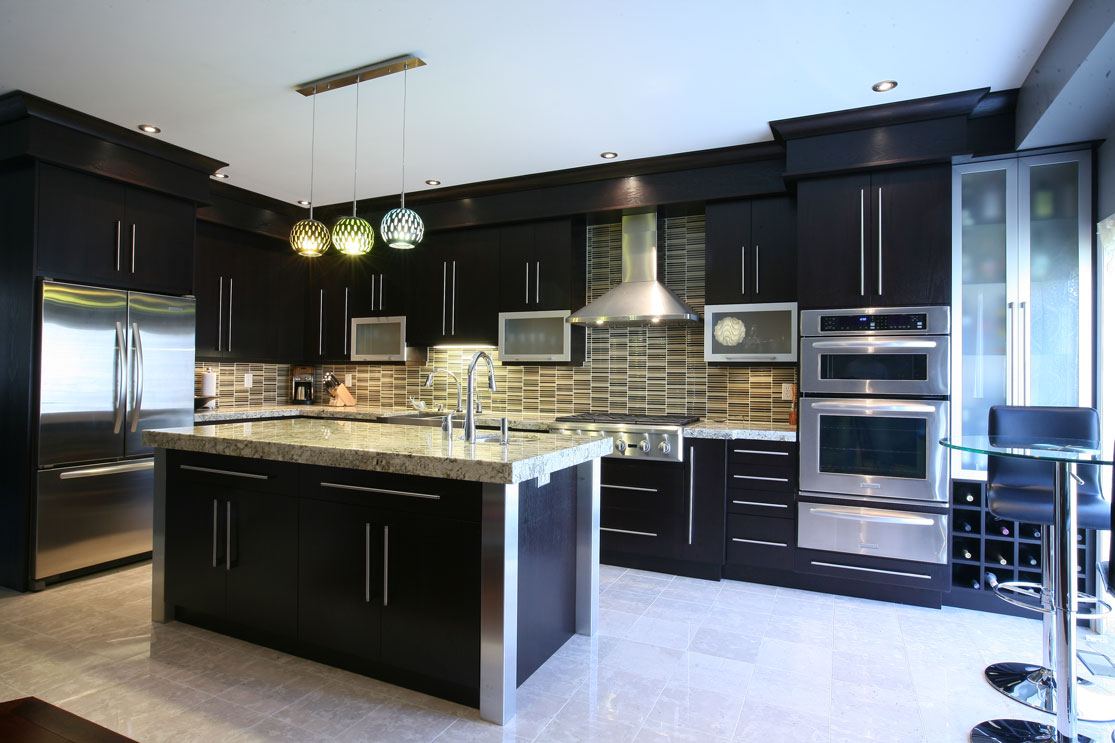
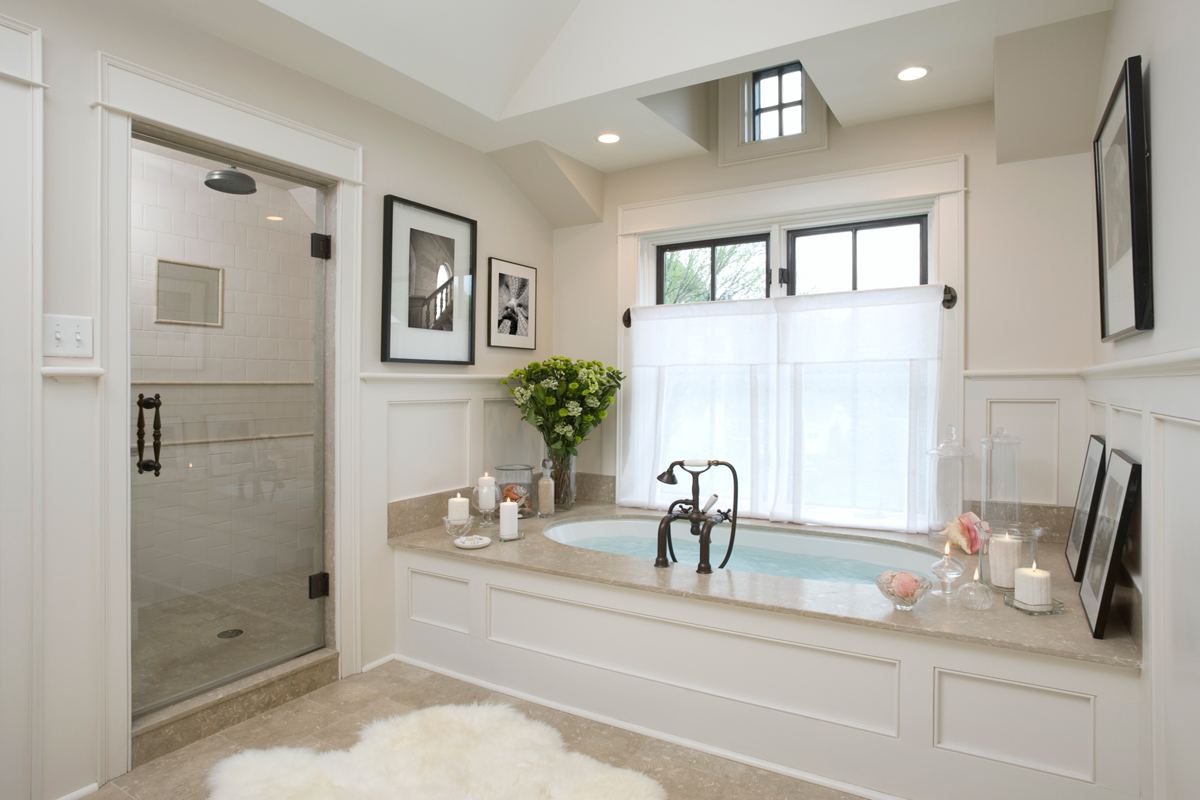
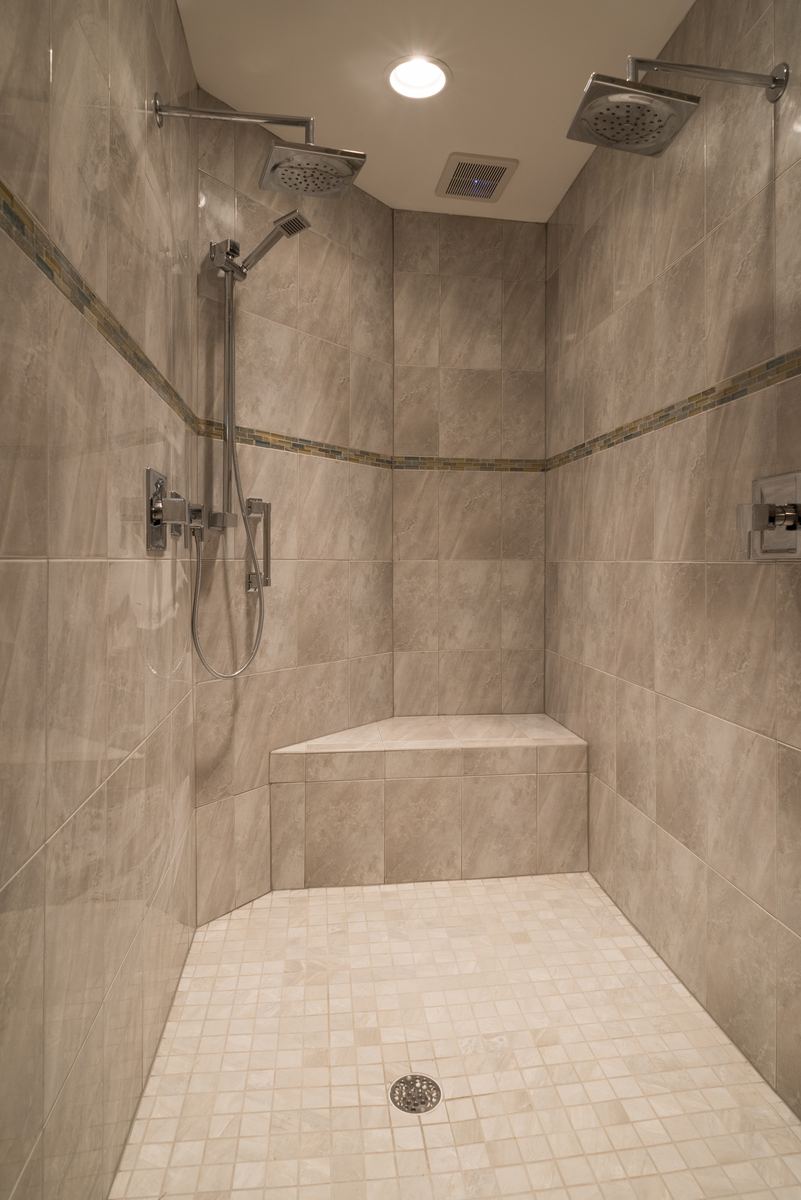
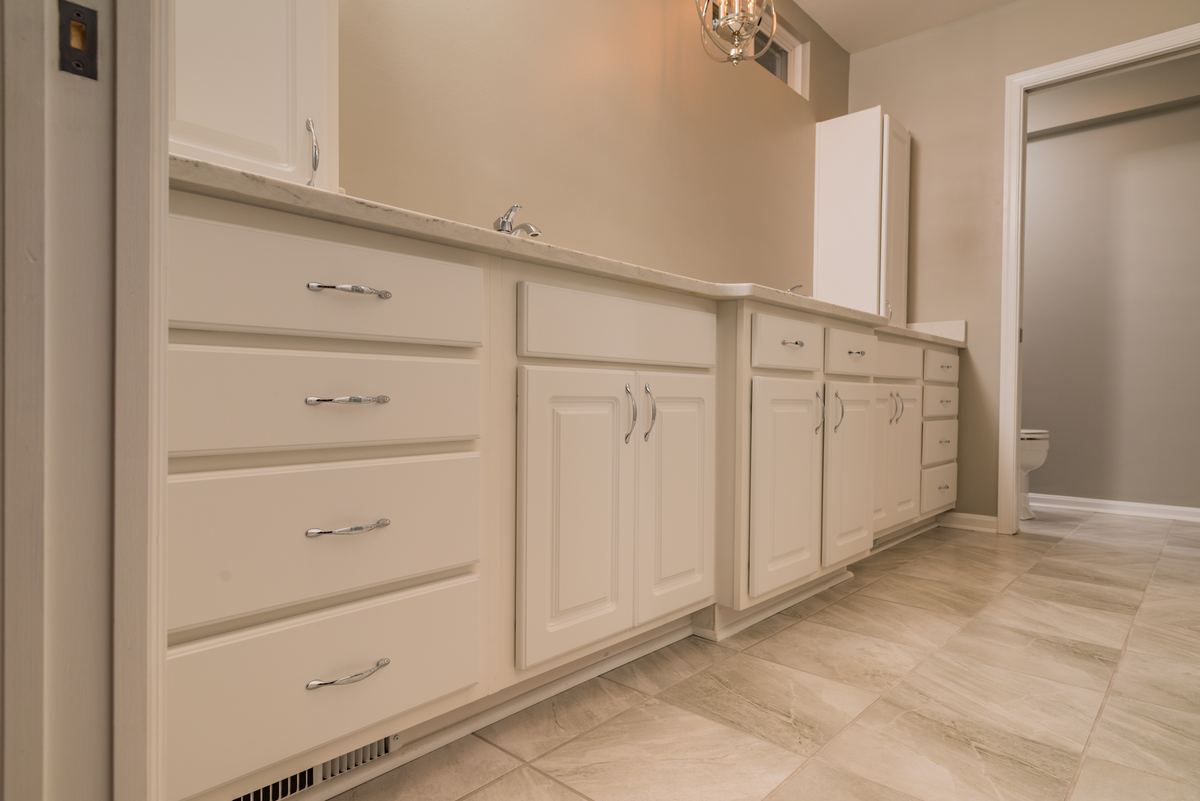
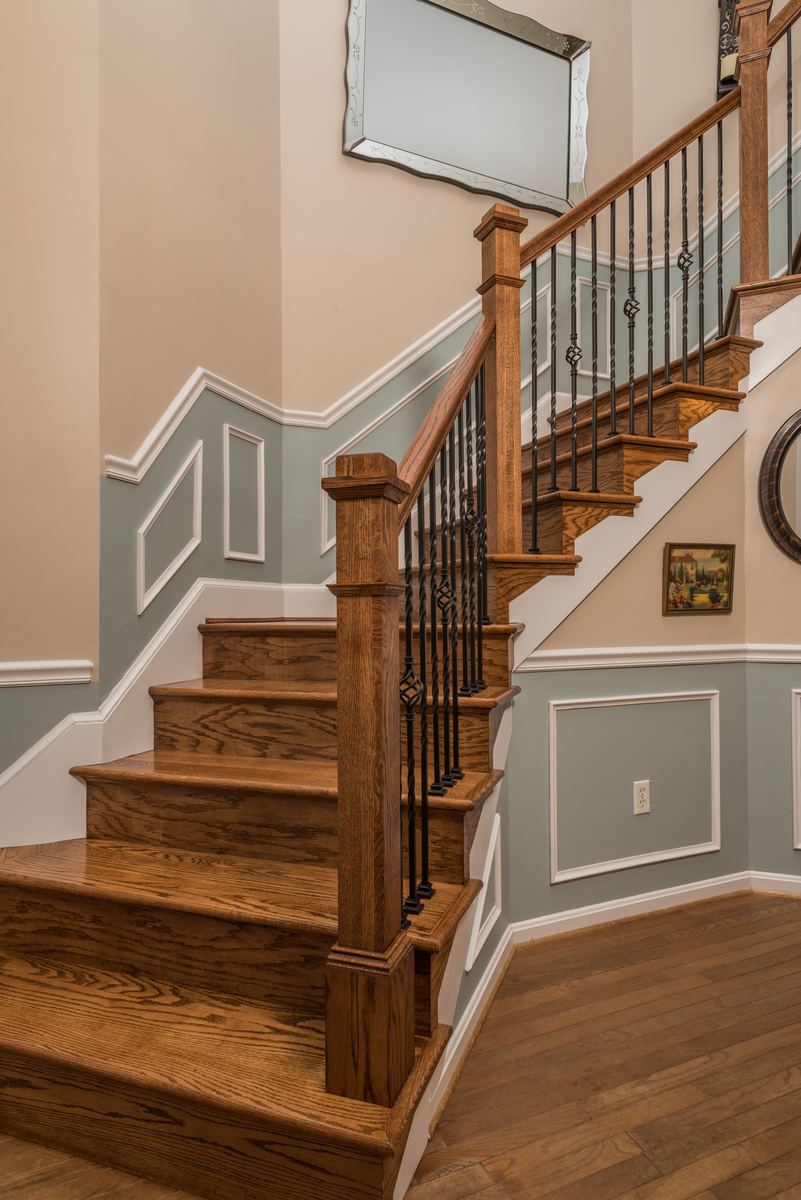
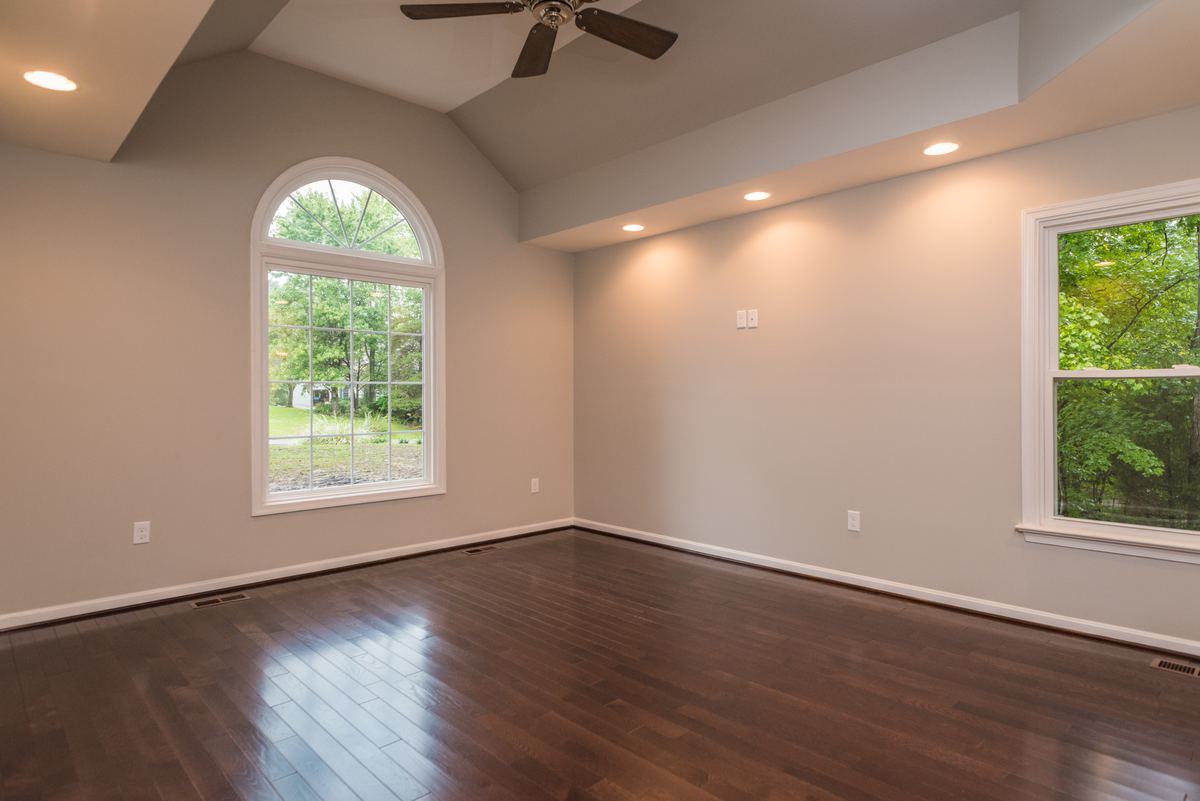
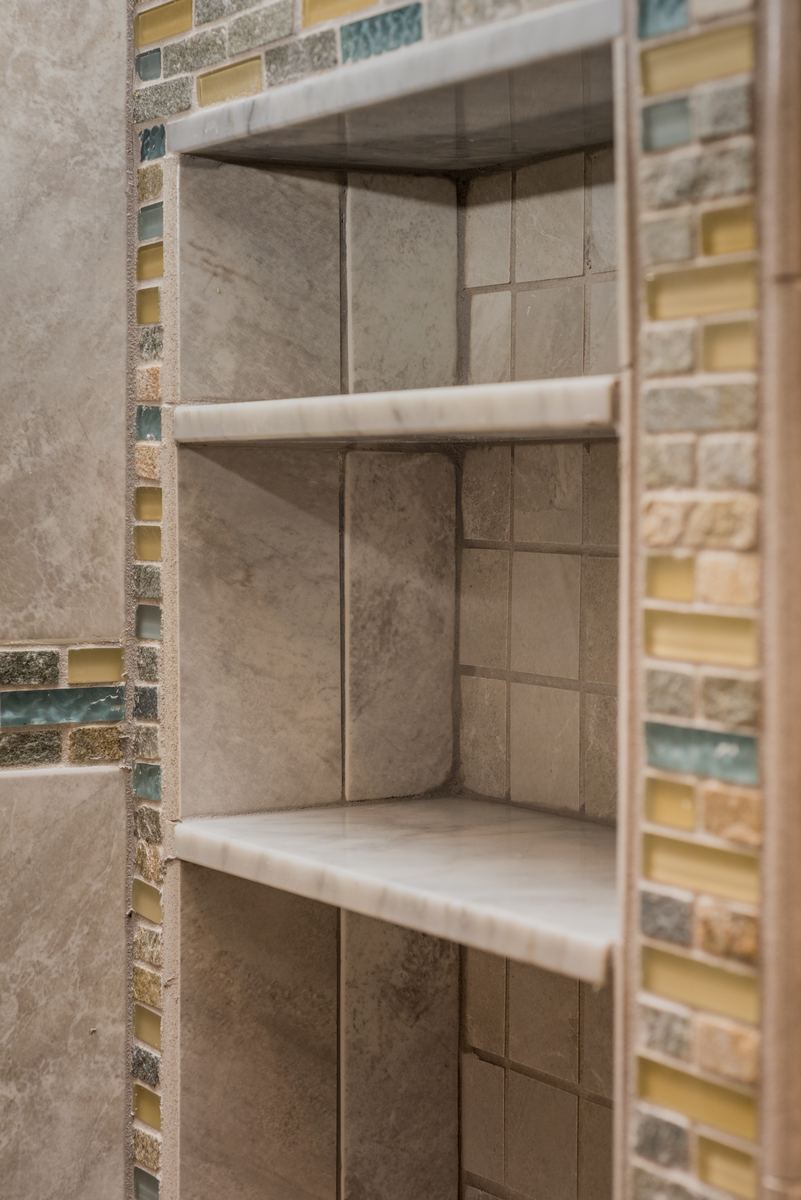
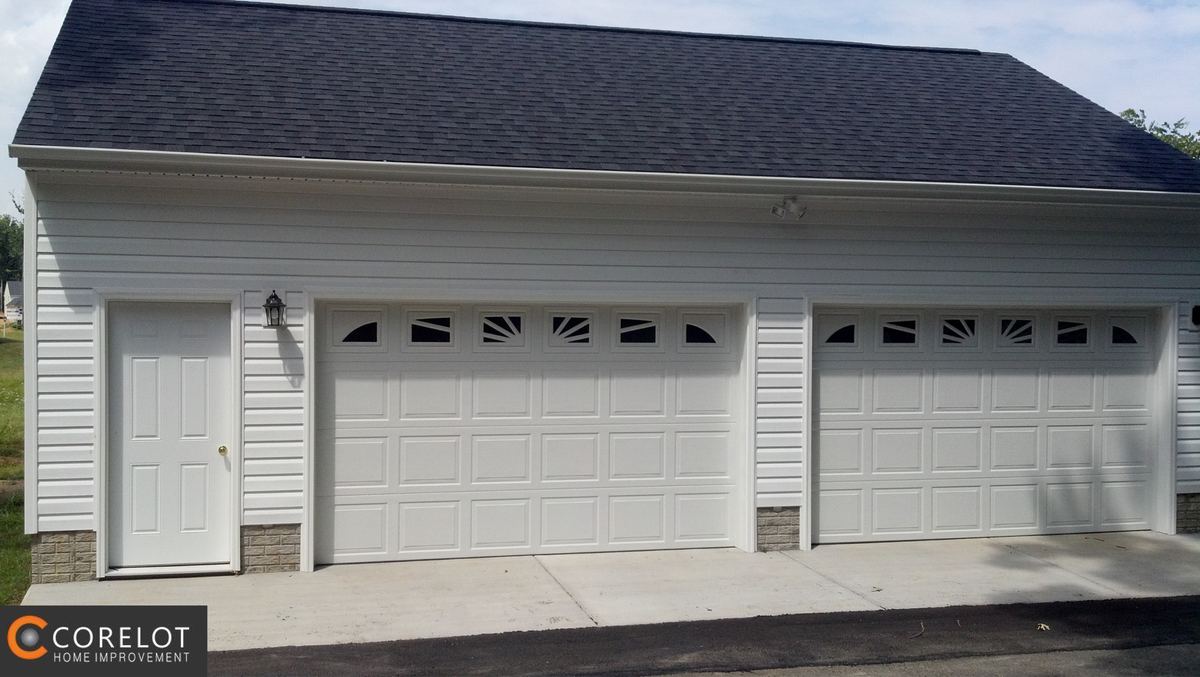
Every photo here is a CORELOT job. Want to see work closer to what you're planning? Ask at the estimate — we'll show you the relevant ones.
Handyman to full basement finishes — one licensed contractor, one point of contact, no subs you've never met. Remodeled by the same family of companies that builds new homes.
Small jobs done right — no project too small for a licensed crew, and no $1,000 legal ceiling like an unlicensed handyman.
Measure, quote, install — energy-efficient replacements. Like-for-like swaps usually need no permit in Virginia.
Custom outdoor living, from a simple platform to a full multi-level build — permits, footings, and inspections handled.
Repairs and full replacements by a local licensed VA Class A contractor — no storm-chasers, no pressure.
Three- and four-season additions that add real living space — built like a true addition, because we build additions.
Full finishes — our most requested service. Design to done, with egress, permits, and every inspection covered.
Turn parked-car space into living space — conversions, in-law suites, and accessory dwelling units, zoning to final.
New to hiring? Start with our guide: how to hire a contractor in Virginia — the 2025 license rules.
CORELOT began in 2009 as Consolidated Contracting LLC, a Fredericksburg home improvement company founded by Jeremiah Horstick. We became CORELOT in 2014, built our first new home in 2015, and never stopped remodeling. The same Virginia Class A license covers it all to this day.
That's the CORELOT difference: your remodel is designed, priced, and built by the same family of companies that builds new homes. Structural work — additions, garage conversions, basements, sunrooms — is where homeowners get burned by handyman outfits. It's where we're most at home.
We build new homes too — if you're land-shopping instead of remodeling, see CORELOT Homes. Building a deck? Meet Deck Dudes.
Virginia caps what contractors may legally take on. Since July 2025, a Class C contractor is limited to jobs under $30,000 and a Class B contractor to jobs under $150,000 — only a Class A license has no cap (Va. Code § 54.1-1100). So the same company that fixes your door can build your addition, and you never outgrow us.
We take on: repairs and punch lists · door & window replacement · roof repair and replacement · decks, porches & sunrooms · basement finishes · garage conversions & ADUs · additions and whole-home renovations · structural work.
1. A real builder reviews your request — usually within one business day. No call centers, no pressure.
2. We walk the project with you and give you a straight price — what it costs, what it includes, how long it takes.
3. The crew that quotes it builds it. Same license, same people, from the first visit to the final walkthrough.
Virginia licenses contractors in three classes by job size. As of July 1, 2025, Class C is limited to jobs under $30,000, Class B to jobs under $150,000, and only a Class A contractor may take contracts of $150,000 or more — with no upper limit.
CORELOT Home Improvement holds a Virginia Class A license (#2705128906), so no project is too large to contract legally — and you never have to switch contractors as your plans grow.
Source: Va. Code § 54.1-1100, as amended effective July 1, 2025.
Ask for the contractor's license number and check it free at the Virginia DPOR License Lookup (dpor.virginia.gov) or call (804) 367-8500. The lookup shows the license class, classifications, expiration, and any disciplinary actions. Never rely on a photocopied license card alone.
Ours is #2705128906 — look us up.
You lose your main safety net. Virginia's Contractor Transaction Recovery Fund can reimburse homeowners up to $30,000 per transaction for losses caused by a licensed contractor's improper conduct — but only if the contractor was licensed. With an unlicensed contractor, you're left to civil court.
Source: Va. Code § 54.1-1123.
Five things: their DPOR license number and class; proof of general liability and workers' comp insurance; local references from projects like yours; who will actually be on site; and a written contract with payments tied to completed milestones — never most of the price up front.
Costs and permits for your specific project — with 2025–26 numbers and the code sections — live on each service page: basements, decks, roofing, windows & doors, sunrooms, garage conversions & ADUs.
Moving costs roughly 10% of your home's value in commissions, closing, and moving costs before you've improved anything — and trading a low-rate mortgage for a current-rate one often costs far more. If you like your location and plan to stay five-plus years, renovating usually wins financially.
Structure and water first (roof, foundation, drainage), then systems (electrical, plumbing, HVAC), then the envelope (windows, insulation, siding), then interiors (kitchens, baths, floors, paint). Pretty finishes over failing systems is the most expensive mistake in remodeling — a whole-home plan sequences it right.
Cost figures are 2025–26 market data for planning — your written CORELOT quote is the number that counts. Code and license facts current as of July 2025.
Every photo here is a CORELOT job. Want to see work closer to what you're planning? Ask at the estimate — we'll show you the relevant ones.
We'd rather you verify us than take our word for it. Our license is public record, our BBB file goes back to 2015, and our reviews live on platforms we don't control.
Accredited since 2015, as CORELOT / Consolidated Contracting LLC.
Read the BBB file →License #2705128906 — verifiable in the state contractor database.
Look up the license →Tell us about the project. A real builder reviews every request and we follow up to schedule a walkthrough — usually within one business day. No pressure, no spam.
Prefer email? [email protected]